
The image of the modern chef has never been more glamorous, defined by precision plating, global acclaim, and social media feeds filled with artful dishes. But behind the pass, the reality is far less filtered.
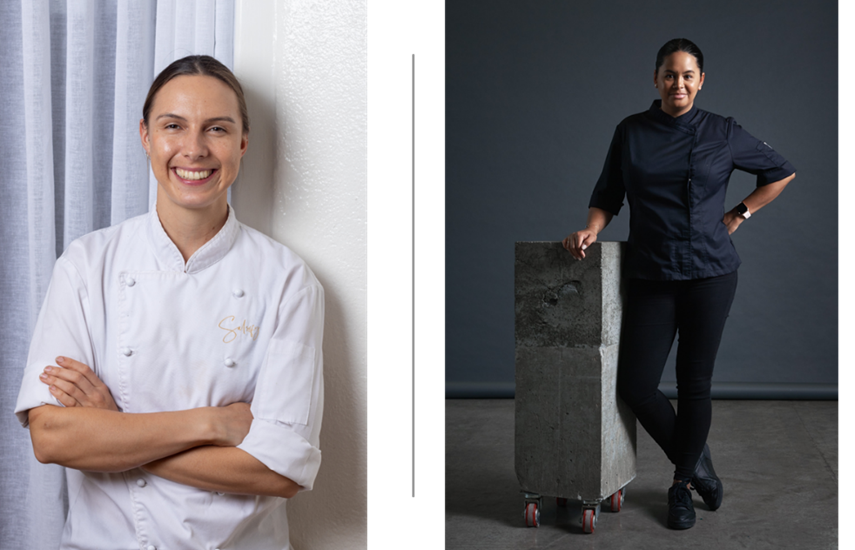
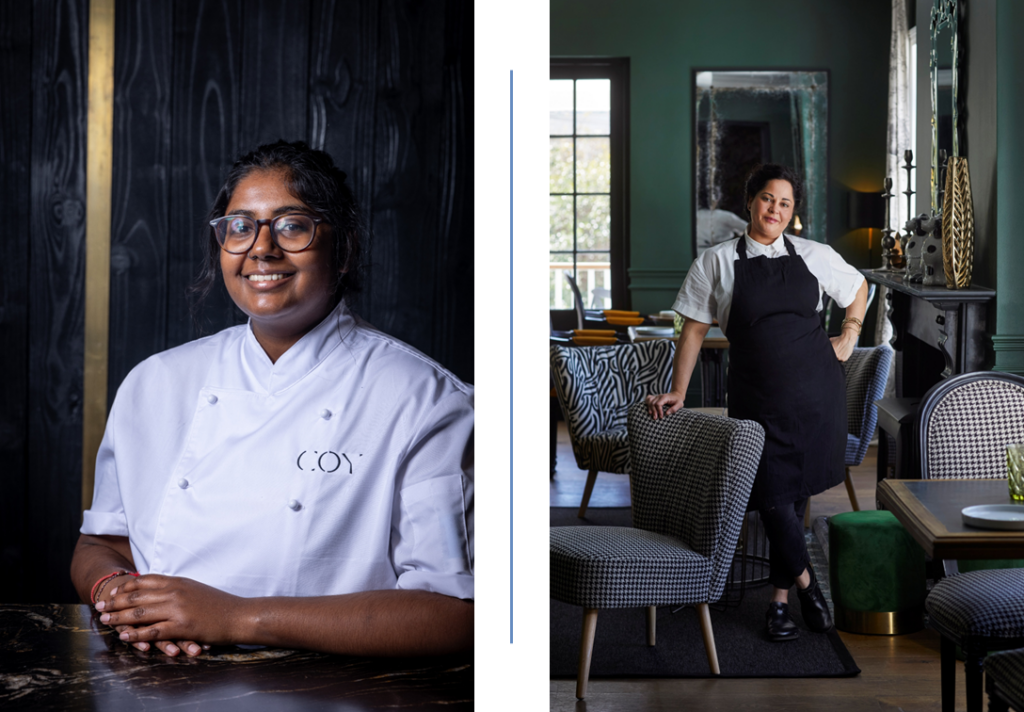
For a new generation of female chefs entering professional kitchens, the truth is both tougher and more inspiring. We spoke to four female chefs who are helping to shape South Africa’s culinary landscape about the realities of long days and nights behind the pass in some of the country’s most celebrated kitchens.
Talent is important but it’s not enough
One of the most consistent lessons shared is that raw ability is only the beginning.
“I wish someone had told me that being talented is the easy part,” says Jill Okkers, culinary director at the Tashas Group. “What no one prepares you for is the stamina: physically, emotionally, mentally. The long hours on your feet. The heat. The pressure of service when the printer won’t stop and you’re three dockets behind. The fact that you will be critiqued more than you are praised, and that resilience becomes just as important as skill.”
In an environment defined by pressure, long hours and constant scrutiny, reliability quickly outweighs creativity alone.
Says Amori Burger, executive chef at Upper Union, “You can be gifted, creative, technically brilliant, but if you are late, emotional, inconsistent, or unreliable, you won’t last. Kitchens are not romantic movie sets. They are pressure cookers where resilience is more important than brilliance, and the work behind the scenes; the cleaning, the repetition, the prep is what actually builds you into a chef.”
Social media has reshaped how young chefs view the industry but like with everything else can distort reality – creating a glamorous misconception which ignores the reality of long hours, repetition, physical strain, and cleaning down late at night.
Teenola Govender, COY co-head chef notes that viral content often compresses gruelling days into seconds. “Fifteen hours of work gets turned into a 30-second reel. The reality is far more demanding.”
From standing for hours to performing under relentless pressure during service, the kitchen tests both physical and mental endurance, says Nina du Toit, head chef at Salsify at the Roundhouse.
“It’s not only about physical strength but mental strength as well. You are required to think straight under pressure and perform when your brain is most stressed. Many people start and think oh it’s going to be easy it’s only four or five days a week but after day two, they are finished.”
And yet, that intensity is also part of the appeal.
“It’s humbling,” Burger explains. “But it’s also deeply rewarding because you build something tangible every single day.”
Resilience, accountability, and emotional intelligence
If talent isn’t the differentiator, what is? Accountability emerges as a defining trait across every perspective.
“If something goes wrong, I look at what I could have done better first. Owning it makes you grow,” says Burger.
Okkers call this relentless ownership. “If something is broken or not working, I take responsibility, even if it’s not technically mine.”
Discipline, too, is non-negotiable, but in kitchens defined by pressure and pace, it works best alongside another often overlooked skill: emotional intelligence.
Understanding when to push, when to support, and how to lead without ego is increasingly recognised as a competitive advantage, especially in high-pressure environments.
“If you can create a space where people feel seen and still held accountable,” Okkers notes, “you build something far more powerful than just a good service.”
Redefining strength in a male-dominated industry
For many female chefs, the challenge is not just the work itself but navigating a traditionally male-dominated environment.
“I would have to work twice as hard as the boys to prove myself. Female chefs are subconsciously underestimated from the outset. It was a strange concept to me because why am I being underestimated before I’ve even started working? But once I realised the reality of the situation, I knew I had a point to prove and I wasn’t going to back down from that challenge,” says Govender.
The advice from those who have succeeded is clear: don’t change who you are to fit in.
“You don’t need to lower your voice, swear louder, or harden yourself to be respected. Strength does not require masculinity. Calm authority is far more powerful than aggression,” says Burger adding that it is important to set boundaries early.
Instead, the focus is on mastery, building skill, maintaining high standards, and letting competence speak.
“Always leave a kitchen better than you found it. This applies to something as simple as your service fridge, make sure it’s well-stocked, clean, and organised so that the next person can start their day calmly. I extend this to general kitchen culture,” says Govender.
Beyond the kitchen: balance, identity and longevity
Du Toit highlights the importance of self-care and balance in a demanding environment. For her, time away from the kitchen, trail running and reconnecting with nature, is essential to maintaining perspective.
“Don’t take everything personally,” Du Toit advises. “Service is intense but not everything said in the moment is about you.”
A new generation, a new narrative
Perhaps the most encouraging shift is the growing visibility of female chefs and the diversity of paths to success.
Okkers, Burger, Du Toit and Govender share many of their values with the female chefs who inspire them. From Sian Almond’s technical precision and Neha Mishra’s entrepreneurial journey to Sophia Roe’s expressive storytelling through food, Okkers looks to women who combine craft with meaning.
Du Toit is inspired by boundary-pushing leaders such as Dominique Crenn and Tássia Magalhães, who are redefining what kitchens can look like.
Clare Smyth’s technical excellence at the highest level, discipline and precision done quietly and confidently and Asma Khan empathetic yet powerful leadership while building a globally respected kitchen that uplifts other women inspired Burger.
For Govender, figures like Clare Smyth, Nokx Majozi and Jess van Dyk stand out not only for their excellence, but for their impact on the industry and the visibility they create for other women.
Collectively they reinforce that there is no single mould for success, only a shared commitment to mastery, leadership and purpose.
Across every story, one theme stands out: this is not an easy career, but it is a meaningful one. It demands resilience over ego, consistency over talent, and discipline over recognition.
For those willing to embrace that reality, the reward is not just success but the opportunity to build, lead, and shape something lasting.