

by Mpho Jessica Jood, Founder and Director of Tenna Services
We have become used to looking for heritage in the obvious places; museums, monuments, historic buildings and the traditions we bring out once a year when Heritage Day comes around.
Every September, we see the same familiar images: the South African flag, traditional clothing, cultural patterns and a table filled with food. They are important symbols, but I often wonder whether we have made heritage too easy to recognise.
Because in Kuruman, where I run Tenna Services, I have come to understand that heritage does not always announce itself.
Sometimes, it arrives in the back of a catering van.
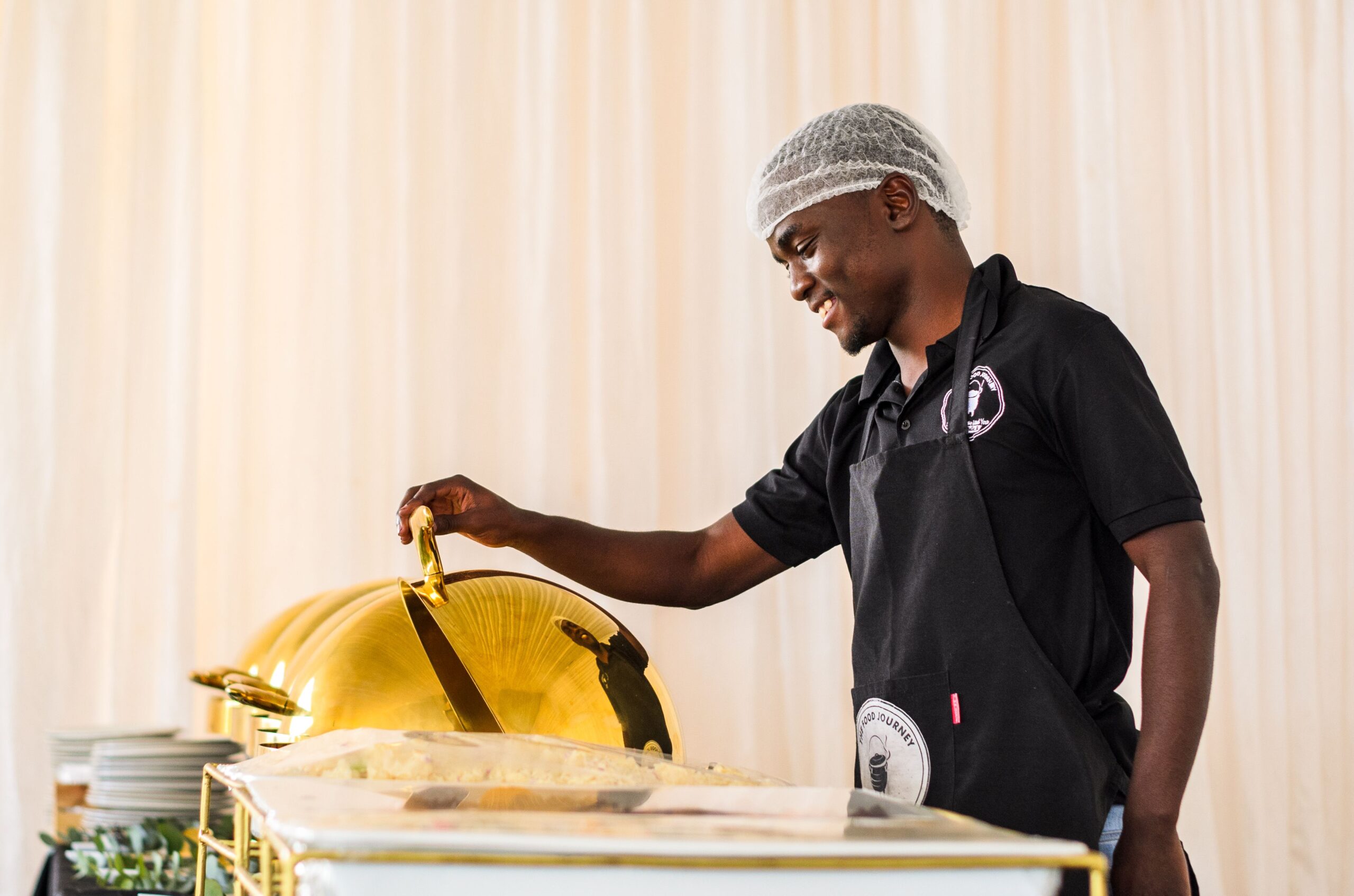
It is in a community hall being prepared before guests arrive. It is in a pot of food being prepared for a family gathering. It is in the décor carefully chosen for a wedding, a birthday or a funeral. It is in the people working behind the scenes to make sure that a community can gather, celebrate, mourn and reconnect.
This is the side of heritage we rarely talk about: the people who do the work of keeping our gatherings alive.
As a catering and events business, Tenna Services provides food, décor, coordination and event support. But for me, the work has always felt bigger than simply providing a service.
When someone entrusts us with catering for a funeral, we are helping a family honour someone they loved. When we cater for a wedding, we are helping two families mark the beginning of something new. When we prepare food for a community event, we become part of a moment where people come together.
Food is never just food in these spaces. It carries memory, identity and belonging.
And that is what heritage does. It connects where we come from with where we are going.
Yet we don’t always recognise the small businesses that make that connection possible.
We readily call a traditional recipe heritage. But what about the local business that keeps preparing it, employs people to prepare it, passes those skills on and ensures that it remains part of community life?
What about the caterer, the décor supplier, the furniture-hire company, the events coordinator or the person setting up a community hall before everyone else arrives?
Their names may never appear in history books, but their work is part of our living history.
There is also an economic question we cannot ignore.
When a client chooses a local supplier, they are doing more than purchasing a service. They are helping sustain a business, supporting jobs and keeping money circulating within the community.
For small businesses in places like the Northern Cape, local procurement can make the difference between surviving and growing.
We often speak about economic development as though it only happens through large investments, major infrastructure projects and big corporations. But development also happens quietly, through the small business owner who hires two more people, buys equipment, pays suppliers and reinvests in their community.
That is why I believe Heritage Month should challenge us to broaden our definition of heritage.
Heritage is not only what we inherit.
It is also what we continue to build, protect and pass on.
So this Heritage Month, I would like us to look beyond the photographs and the familiar symbols.
Look at the businesses preparing the food.
Look at the people setting up the chairs.
Look at the local supplier delivering equipment before sunrise.
Look at the entrepreneur creating jobs while preserving the practices that bring people together.
Because sometimes heritage isn’t behind glass or carved into stone.
Sometimes it is working quietly in the background, making sure that when a community gathers, it has a reason to remember, a reason to celebrate and a place to belong.
And perhaps that is the heritage we should be talking about more.